
What is the Role of a Fire Warden?
Fire safety is a paramount concern in any workplace, and implementing proper measures is crucial for minimising risks and potential damage caused by fires. In UK businesses, a key figure in maintaining fire safety is the fire warden. According to the Regulatory Reform (Fire Safety) Order 2005, employers are legally required to appoint a responsible person to undertake preventative and protective measures to mitigate the risk of fire. This role, often referred to as a fire warden or fire marshal, is essential for ensuring workplace safety.
But what specifically does the role of a fire warden entail, and why are they indispensable for workplace safety? In this blog, we will delve into the responsibilities and importance of fire wardens in maintaining a safe work environment.
Who is a Fire Warden?
A fire warden, also known as a fire marshal, is an individual designated within a workplace to help implement and maintain fire safety procedures. They are typically employees who volunteer or are appointed by their employer to take on this crucial role. Fire wardens receive special training to ensure they are well-equipped to handle various fire safety tasks and emergencies.
Key Responsibilities of a Fire Warden
So what is the role of a Fire Warden? Typical daily fire responsibilities include:
1. Fire Prevention and Risk Assessment
One of the primary responsibilities of fire wardens is to identify potential fire hazards and ensure that workplace equipment is functioning correctly. In 2023, fire and rescue services in the UK responded to 246,529 false alarms, with the majority caused by malfunctioning apparatus.
All fire safety equipment, such as fire extinguishers, alarm systems, and smoke detectors, should be in good working order. If not, the Fire Warden should report any issues to the relevant authorities or management to ensure that any necessary repairs or replacements are carried out promptly.
These checks include:
- Regularly inspect fire alarms, emergency exits, firefighting equipment, and fire doors to ensure they are operational and accessible.
- Conduct periodic tests to confirm that emergency lighting functions correctly.
- Verify that fire safety signs are appropriately placed and clearly visible throughout the building.
- Arrange regular PAT tests to ensure electrical equipment complies with fire safety regulations.
- Conduct thorough fire risk assessments to identify potential hazards and implement measures to mitigate them.
- Regularly review and update risk assessments and fire prevention strategies to address any changes in the workplace.
- Properly dispose of or store flammable materials to reduce fire risks.
2. Emergency Planning and Drills
One of the primary responsibilities of a fire warden is to assist in the creation and implementation of the workplace’s fire emergency plan. This plan outlines the actions to be taken in the event of a fire, including evacuation procedures and assembly points. Fire wardens also organise and participate in regular fire drills to ensure that all employees are familiar with the evacuation process. The duties include:
- Develop clear and efficient evacuation routes and ensure they are free from obstructions.
- Identify and signpost safe assembly points where employees can gather during an evacuation.
- Organise and oversee regular fire drills to practice and improve the evacuation process.
3. Fire Safety Training
Fire wardens often facilitate fire safety training sessions for other employees. They may be the main point of contact between the workplace and fire safety training services. They are responsible for ensuring all employees are a fire-aware workforce and are educated by a fire safety training service on essential topics such as the use of fire extinguishers, understanding fire safety signs, and recognising emergency procedures.
What is the Role of a Fire Warden In The Event Of A Fire?
During an actual fire emergency, fire wardens play a vital role in managing the safe and efficient evacuation of the premises. They are responsible for guiding employees to designated assembly points, ensuring that everyone is accounted for, and providing assistance to those who may need help evacuating, such as individuals with disabilities.
In the event of a fire, a fire warden’s responsibilities include:
- Activating the fire alarm
- Alerting the authorities
- Closing all fire doors and doors to fireproof areas
- Evacuating staff from the building
- Assisting vulnerable individuals with evacuation
- Ensuring all staff are evacuated and accounted for at assembly points
- Communicating and coordinating with emergency responders
- Using firefighting equipment to contain the fire, if it is safe to do so
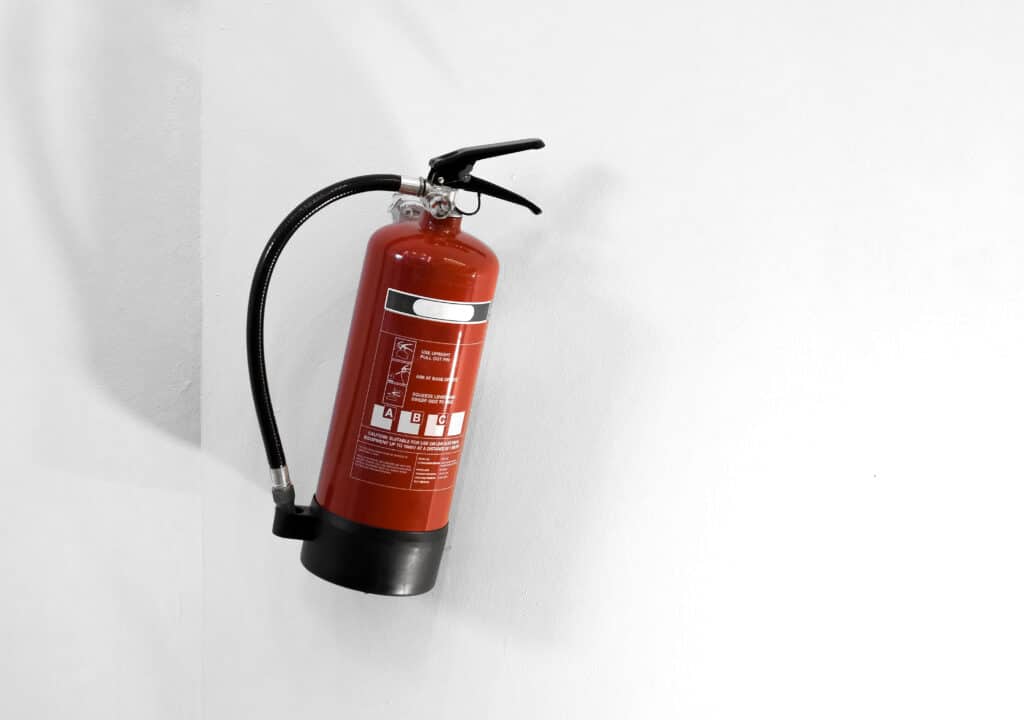
Importance of Fire Wardens
Having trained fire wardens in the workplace is essential for maintaining a safe environment. Fire wardens play a crucial role in minimising fire risks through regular inspections and maintenance of safety equipment, preventing fires before they even start. In the event of a fire, these trained professionals manage evacuations efficiently, reducing the risk of injury and ensuring everyone reaches safety swiftly.
Their presence offers peace of mind to both employers and employees, knowing that capable individuals are prepared to handle any fire emergency. This assurance not only reduces anxiety but also fosters a safer and more secure working environment for everyone.
Are Fire Wardens A Legal Requirement
UK fire safety laws, such as the Regulatory Reform (Fire Safety) Order 2005, require businesses to take adequate steps to ensure fire safety. Appointing and training fire wardens is a key part of complying with these regulations.
Having a fire warden is a legal requirement in the UK under the Regulatory Reform (Fire Safety) Order 2005. This legislation mandates that businesses must take adequate steps to ensure fire safety, which includes appointing and training competent individuals to assist in implementing fire safety measures, often referred to as fire wardens or fire marshals. These individuals are responsible for helping to prevent fires and ensuring safe evacuation procedures are in place and effectively carried out in the event of an emergency.
How Many Fire Wardens Should Your Business Have?
The number of fire wardens your business requires depends on several factors, including the size of the premises and the number of employees. Larger premises or workplaces may necessitate multiple fire wardens to ensure adequate coverage. It’s important to account for potential absences by training several staff members to cover for illnesses or shift work. Having multiple fire wardens ensures daily risk assessments are performed properly and safety procedures are followed during emergencies.
Fire Warden Training
Fire wardens are crucial for maintaining fire safety within UK workplaces. Their responsibilities, including fire prevention, risk assessment, evacuation management, and training, are vital for ensuring employee well-being.
At 1st Attendance, we offer top-tier fire warden training services tailored to equip your staff with the skills and knowledge they need. If you would like more information or to arrange workplace fire safety training, please get in touch.