This month…
- Winter fire safety – don’t let the temperature rise!
- The new fire standard – what do you need to do?
- Heaters – the DOs and DON’Ts.
What you need to know this month
❄️ Winter fire safety – don't let the temperature rise!

Stay safe. Stay prepared. Save lives.
As the nights draw in, temperatures drop and workplaces begin preparing for winter, it’s a great time to review your first aid arrangements and fire safety procedures.
This month, we’re focusing on winter fire prevention, staying safe around heating equipment, keeping first aid skills up to date and the importance of being prepared for emergencies.
Colder weather means increased use of portable heaters, electric blankets, open fires and other heating equipment. Unfortunately, these can also increase the risk of accidental fires.
Here are some important reminders:
- Portable heaters: Keep them away from curtains, furniture, paperwork and other combustible materials.
- Electrical safety: Avoid overloading sockets and never use damaged plugs, cables or appliances.
- Open fires and log burners: Ensure chimneys and flues are maintained and cleaned regularly.
- Candles: Never leave candles unattended and keep them away from flammable materials.
- Smoke alarms: Check that smoke alarms are working and that testing is part of your regular routine.
- Escape routes: Keep fire exits, corridors and stairways clear at all times.
Remember: A few simple checks could prevent a serious fire.
🩹 First aid – are you ready to respond?
Emergencies can happen anywhere, at any time. Whether it’s a slip, trip, burn, cardiac arrest or choking incident, knowing what to do can make a life-saving difference.
Make sure your workplace:
- Has appropriately trained first aiders.
- Keeps first aid kits fully stocked and accessible.
- Has clear procedures for contacting emergency services.
- Ensures staff know where the nearest defibrillator (AED) is located.
- Reviews first aid arrangements regularly, particularly when staffing or workplace risks change.
A reminder: First aid training isn’t just about meeting workplace requirements – it’s about having the confidence and knowledge to help someone when they need it most.
Top Story
Fire safety standards: the importance of learning and continuous improvement

The National Fire Chiefs Council (NFCC) highlighted a new Fire Standard on 5 November 2026, putting organisational learning at the heart of continuous improvement.
The development reinforces an important message for organisations: fire safety should never be treated as a one-off exercise.
Businesses should regularly review their fire safety arrangements, learn from incidents and near misses, identify areas for improvement and ensure staff understand their responsibilities.
What does this mean for your workplace?
- Review your fire risk assessment regularly.
- Make sure fire safety training is relevant and up to date.
- Learn from fire incidents, false alarms and near misses.
- Check that staff understand evacuation procedures.
- Record and act on any fire safety concerns.
The key message is simple: effective fire safety is about continually improving, not simply ticking boxes.
Top Tip
🔥 Keep heaters safe this winter!

As the colder weather sets in and we start relying more on portable heaters to keep our homes and workplaces warm, it’s important to remember that heating equipment can pose a significant fire risk if not used correctly. Portable heaters can quickly ignite nearby combustible materials, so taking a few simple precautions can help prevent a serious fire.
The DOs and DON’Ts of portable heater safety:
✅ DO:
Position heaters on a stable, level surface where they cannot easily be knocked over.
Keep heaters at least one metre away from curtains, furniture, clothing, paperwork and other combustible materials.
Check plugs, sockets and cables regularly for signs of damage or overheating.
Follow the manufacturer’s instructions and use heaters only as intended.
Switch heaters off when leaving a room or at the end of the working day.
Make sure smoke alarms and fire detection systems are working correctly.
❌ DON’T:
Leave portable heaters switched on unattended or overnight.
Cover heaters or use them to dry clothes.
Place heaters close to furniture, curtains or other flammable materials.
Use damaged electrical appliances, plugs or cables.
Overload electrical sockets with multiple high-powered appliances.
Position heaters where they could block escape routes or create a trip hazard.
With increased use of heating equipment during the winter months, it’s worth taking a few minutes to check that everything is being used safely. A little extra care can make a big difference in preventing accidental fires and protecting colleagues, customers and loved ones.
Remember: Keep warm, stay alert and never let fire safety take a back seat this winter!
Training reminder: are your staff prepared?
Fire safety and first aid training are essential parts of creating a safer workplace.
Regular training helps employees:
Recognise potential hazards before accidents happen.
Respond confidently during an emergency.
Understand their responsibilities.
Protect colleagues, customers and visitors.
Help create a positive safety culture.
We are passionate about helping organisations develop the knowledge, confidence and practical skills needed to keep people safe.
Whether you need first aid training, fire safety training, fire safety equipment servicing or support with workplace safety, investing in training today could make all the difference tomorrow.
Our first aid courses
Level 3 Award in Emergency Paediatric First Aid (RQF)
Our fire safety training and servicing
A Fire Warden / Marshal is responsible for ensuring that…
Testimonials


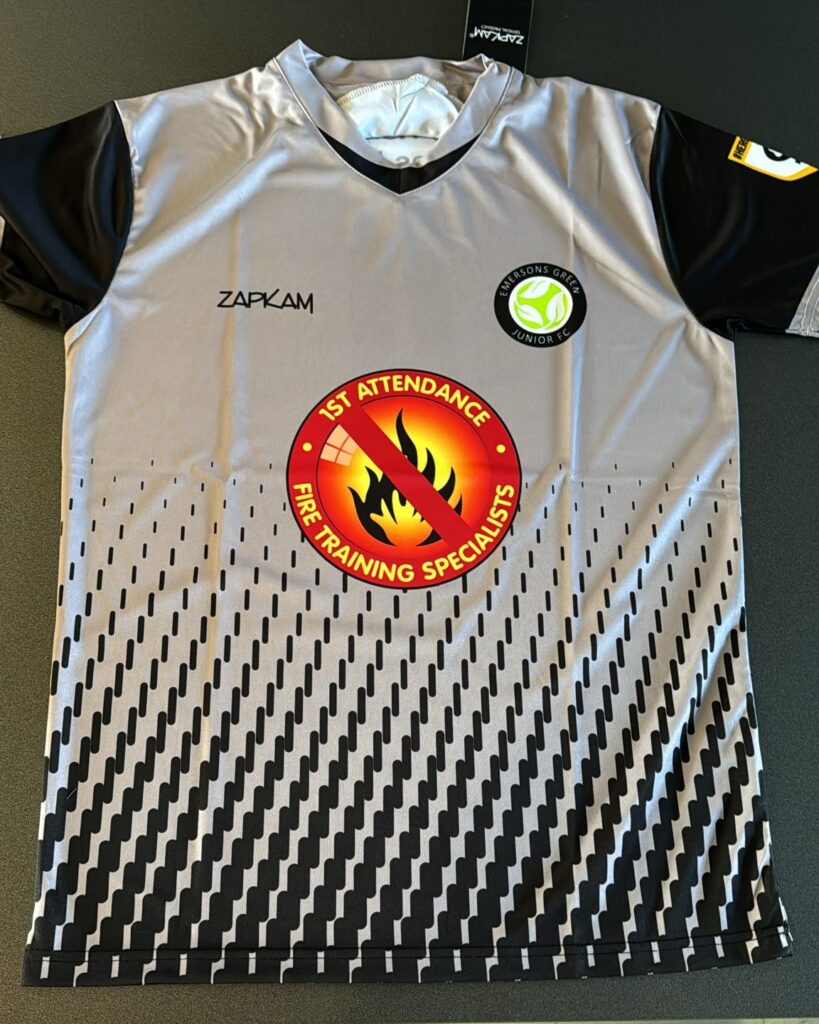
Proud kit sponsors of Emersons Green Junior Football Club - U14’s girls