This month…
- Wildfires – understanding the risk and helping prevent the next one
- The UK’s wildfire season reaches record levels
- What to do if you see a wildfire
What you need to know this month
Wildfires – understanding the risk and helping prevent the next one
Something a bit different this month…
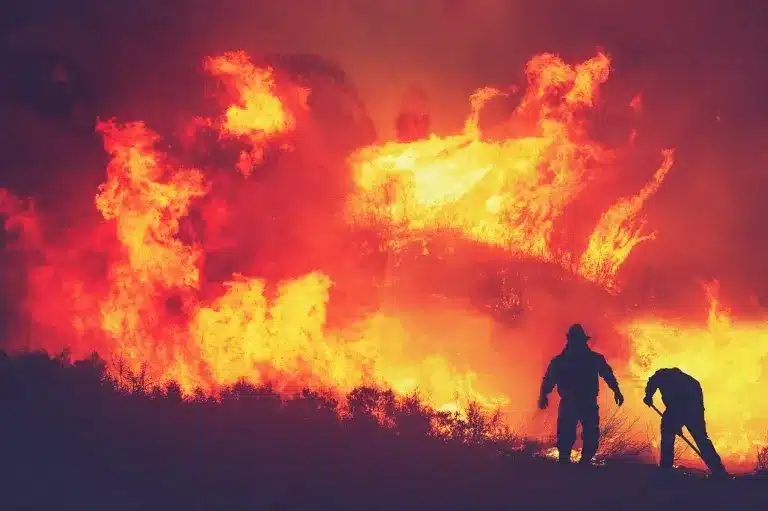
As summer continues, wildfire risk remains a serious concern across parts of the UK. Prolonged periods of hot, dry weather have left grassland, heathland, woodland and vegetation exceptionally susceptible to ignition.
Wildfires aren’t just a countryside problem. A fire that starts in a park, field, garden, roadside verge or open space can spread rapidly and threaten buildings, vehicles, livestock, wildlife and communities.
This month’s fire safety update looks at why wildfire risk is so high, what is happening across the UK, and the simple actions we can all take to reduce the chance of a small fire becoming a major incident.
Wildfire risk doesn’t disappear just because you’re not in the countryside
When we think about wildfires, it is easy to picture huge forest fires in other countries. However, the UK can experience serious wildfires too, particularly after long periods of dry weather.
The combination of dry vegetation, high temperatures and wind can create extremely challenging conditions for firefighters. Grass, bracken, heather, leaves and woodland debris can become very dry, allowing flames to travel quickly across an area.
This is particularly important when enjoying outdoor spaces during the summer. Activities that would normally seem relatively harmless can become potential ignition sources when vegetation is tinder-dry.
Disposable BBQs, campfires, cigarettes, bonfires and even poorly discarded rubbish can all create a risk. West Sussex Fire & Rescue Service has specifically warned that items such as disposable BBQs and cigarettes can start significant fires in hot, dry conditions.
Think before you light anything outdoors
If you’re heading out for a walk, having a picnic, camping or spending time in a park or open space, check whether there are local restrictions before lighting anything.
In periods of high wildfire risk, the safest option is not to use a BBQ, campfire or open flame at all.
And remember that putting a fire out isn’t simply a case of pouring a little water over it. Hot embers can remain underneath ash and soil and potentially reignite later, particularly when conditions are dry.
Don’t forget the workplace
Businesses should also consider wildfire risk as part of their wider fire safety arrangements.
If your premises are close to heathland, woodland, fields or other areas of vegetation, consider how a wildfire could affect your building or employees.
Think about:
- Whether there are combustible materials stored outside.
- Whether vegetation is allowed to grow close to buildings.
- Whether staff know what to do if a wildfire approaches.
- Whether emergency access routes are clearly identified and kept unobstructed.
- Whether evacuation arrangements remain suitable if external roads or access points are affected.
- Whether outdoor activities, hot works or smoking arrangements need additional controls during periods of extreme fire risk.
A good fire safety plan considers not only how a fire might start inside a building, but also what could happen if a fire approaches from outside.
Top Story
UK wildfire numbers reach record levels
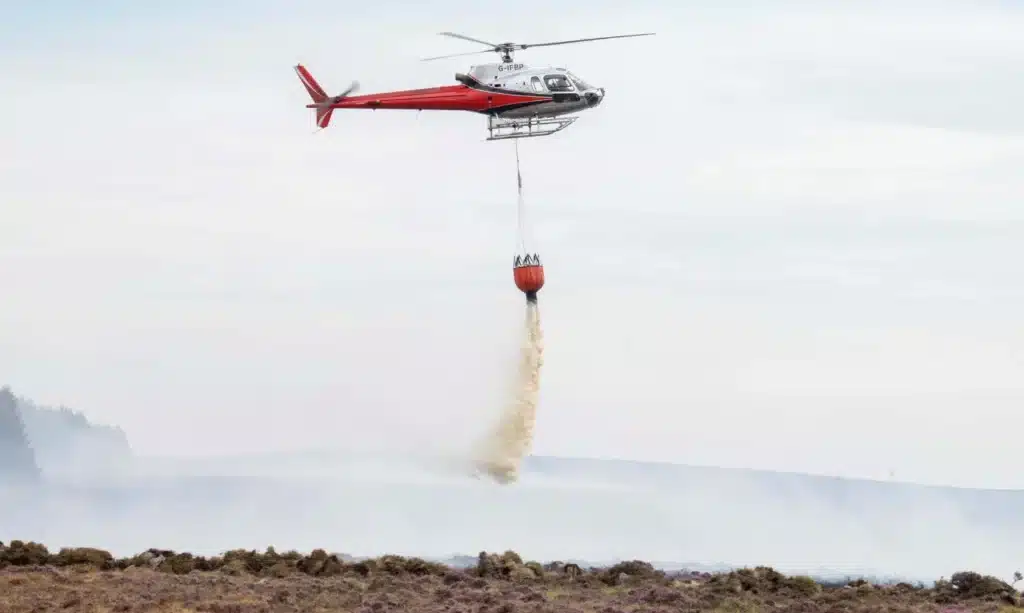
Wildfires have become a major national story this summer, with England and Wales reaching the previous full-year record of 1,017 wildfires by August. Fire chiefs have warned that the number of incidents is only part of the picture, with the size, duration and complexity of some fires putting considerable pressure on communities and emergency services.
The situation became serious enough for the UK Government to issue an emergency alert to millions of people in England and Wales on 14 August, warning about the risk of wildfires and urging people not to start fires outdoors.
One of the most significant incidents has been the wildfire near Blaenavon in South Wales, which has burned across thousands of hectares of peat-covered hillside and continued for weeks. Firefighters have faced particular difficulties because peat can continue smouldering underground and reignite even after surface flames have been dealt with. Military personnel have also been deployed to assist firefighters.
The scale of this year’s incidents demonstrates why prevention matters so much.
Every fire that doesn’t start means emergency crews can remain available for other emergencies, while avoiding unnecessary damage to homes, businesses, wildlife and the environment.
With around half of England already having been declared in drought during July and officials warning that dry conditions were increasing wildfire risk, this is an issue that is likely to remain important beyond a single hot spell.
Top Tip
If you see smoke, don’t wait for flames
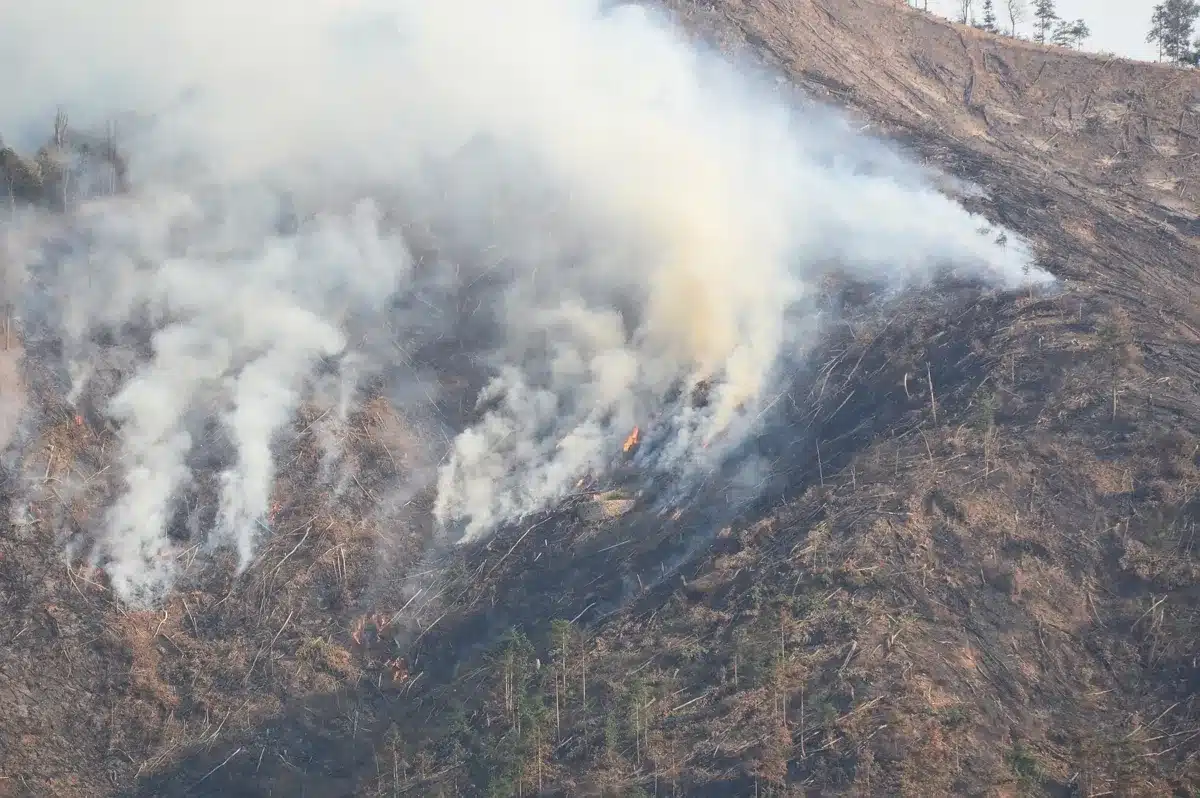
One of the most important things you can do if you encounter a suspected wildfire is act early and put your own safety first.
You don’t need to get close enough to see flames before reporting it. A column of smoke in an area of dry vegetation could be an early indication of a fire.
If you spot a fire:
- Move away from the area and keep yourself out of danger.
- Call 999 and provide as much information about the location as possible. Useful details could include a nearby road, landmark, footpath, postcode or what3words location if you have it available.
- Don’t attempt to tackle a spreading grass, heath or woodland fire yourself. Wildfires can behave unpredictably, and changing wind conditions can cause flames to spread rapidly or change direction.
- If you are driving and encounter a wildfire, don’t stop somewhere that could obstruct fire engines. Emergency crews may need to get large vehicles and equipment close to the incident, and keeping access routes clear can make a significant difference. And if you’re asked to evacuate, leave promptly and follow the instructions of the emergency services. Take essential items if it is safe to do so, but don’t delay your evacuation to collect possessions.
The simple message this month:
Don’t start the fire in the first place.
A few seconds of care with a cigarette, BBQ, campfire or other ignition source could prevent hours or even days of firefighting and potentially save lives, homes and huge areas of countryside.
Stay fire safe this summer
Wildfire prevention is everyone’s responsibility. By making sensible choices outdoors and understanding the risks created by prolonged hot and dry weather, we can all help reduce the number of preventable fires.
For fire safety training, workplace fire safety and first aid training, visit:
Our first aid courses
Our fire safety training and servicing
A Fire Warden / Marshal is responsible for ensuring that…
Testimonials
Proud kit sponsors of Emersons Green Junior Football Club - U14’s girls